- +1 2675162151
- info@website.com
- Mon - Fri: 9:00 - 18:30

Home > Global Collaboration
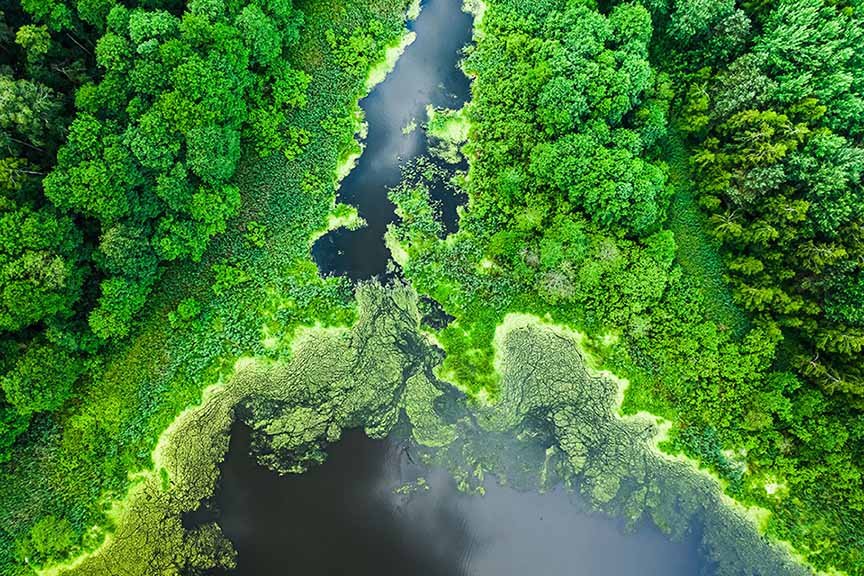
The United Nations World Academy of Ecological Sciences, with the vision of building an ecological community with a shared future, has established strategic partnerships with dozens of top research institutions, international organizations, universities, and non-governmental organizations around the world. We believe that ecological issues require global wisdom to jointly address.
Cooperative Institution
Summary of Cooperation Content
United Nations Environment Programme (UNEP)
Jointly promote the "Global Ecological Data Alliance" plan
United Nations Educational, Scientific and Cultural Organization (UNESCO)
Research and development of joint ecological education certification standards
United Nations Development Programme (UNDP)
Carry out cooperation and evaluation of sustainable development projects
Cooperative Institution
Summary of Cooperation Content
Fudan University
Establish a 'Urban Green Ecosystem Model'
University of Oxford
Joint research on AI and ecological health prediction
Massachusetts Institute of Technology (MIT)
Collaborative development of 'Carbon Neutral Building Simulation Platform'
Cooperative Institution
Summary of Cooperation Content
Greenpeace
Promote consensus action on marine ecological protection
World Wildlife Fund (WWF)
Ecological Endangered Animal Habitat Restoration Project
Friends of the Earth
Jointly carry out public education activities on forest conservation
Cooperative Institution
Summary of Cooperation Content
Google Earth Engine
Provide remote sensing image and ecological data model support
Huawei
Jointly develop ecological AI edge devices and monitoring systems
Tesla
Exploring the Collaborative Research Project of New Energy Ecological Supply Chain
Through strategic partnerships with leading research institutions worldwide, UNWAES has pioneered breakthrough solutions in ecological restoration and sustainable development. Our joint initiatives have directly influenced international environmental policies and implemented transformative projects across six continents.

In April 2025, the International Joint Laboratory of Green Cell Medicine, jointly established by the World Academy of Ecological Sciences and the University of Toronto in Canada, was officially completed, focusing on the interdisciplinary research of cells in ecological restoration and human health.

The AI carbon emission monitoring system jointly developed with Huawei has been deployed in the Amazon rainforest, Southeast Asian wetlands, and Arctic Circle, tracking ecological data in real-time and providing feedback to the United Nations ecological database.
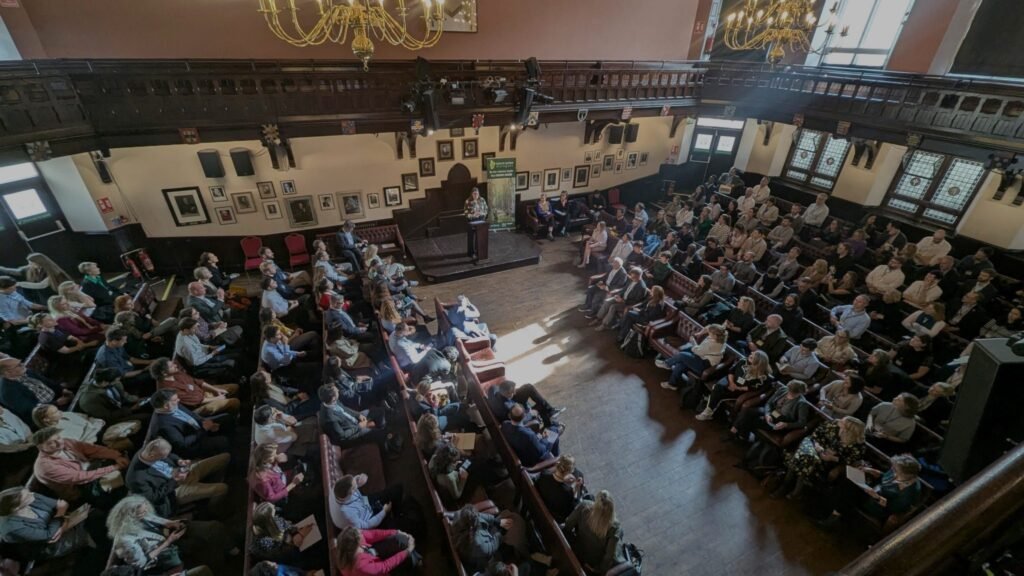
UNESCO and the Academy of Ecological Sciences have jointly released international standards for ecological education curricula, providing a unified reference for over 50 universities worldwide.
We sincerely invite like-minded research institutions, universities, enterprises, and public welfare organizations to join our global cooperation network and work together to promote a new era of ecological civilization.

 English
  Chinese